Graduate Student, Geography Dept., UC Berkeley
Home page
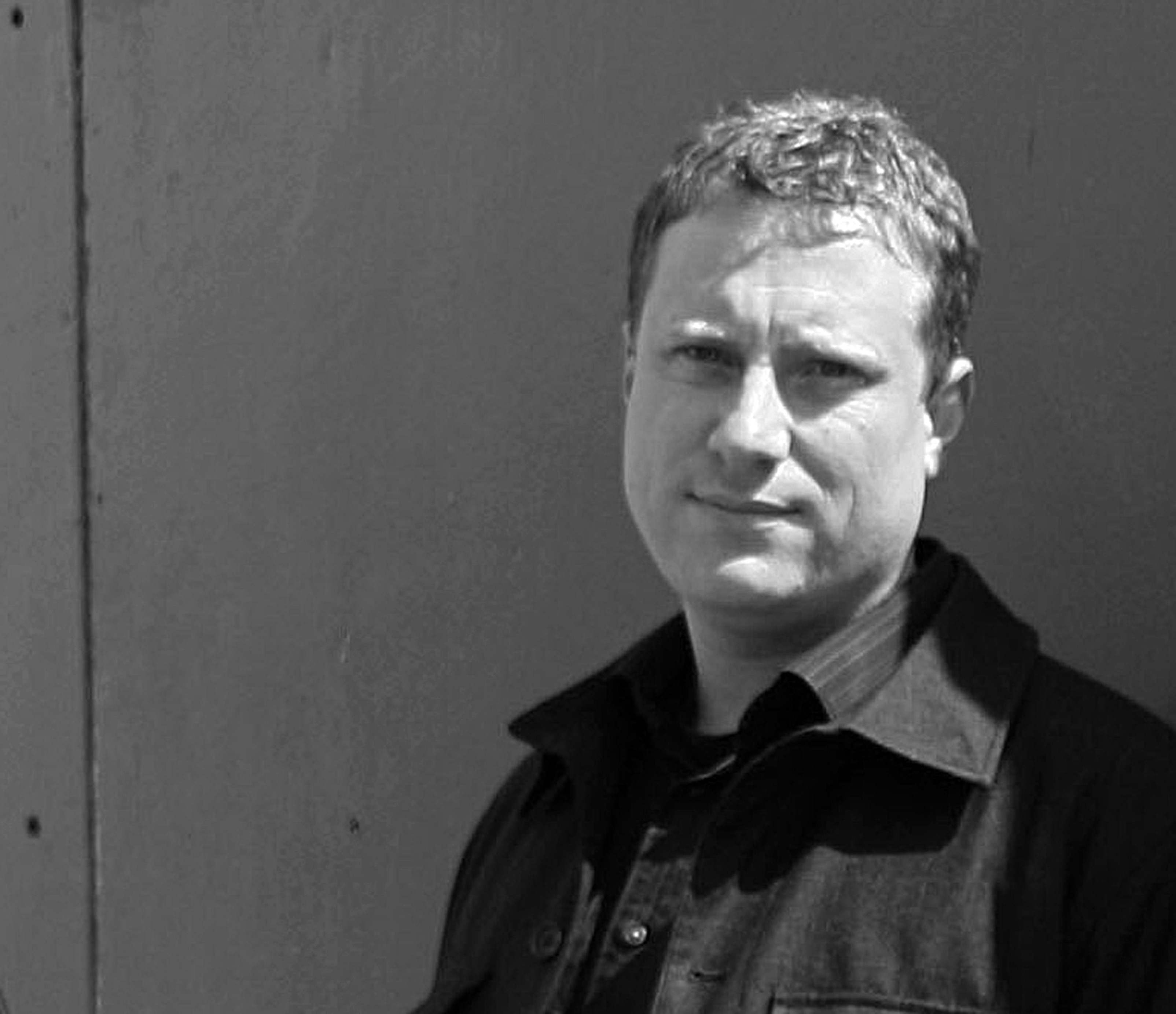 Trevor Paglen is an artist, writer, and experimental geographer working out of the Department of Geography at the University of California, Berkeley. His work involves deliberately blurring the lines between social science, contemporary art, and a host of even more obscure disciplines in order to construct unfamiliar, yet meticulously researched ways to interpret the world around us. His most recent projects involve close examinations of state secrecy, the California prison system, and the CIA’s practice of “extraordinary rendition.”
Paglen’s visual work has been shown at MASSMOCA (2006), the Warhol Museum (2007), Diverse Works (2005), and numerous other arts venues, universities, conferences, and public spaces. He has had one-person shows at Deadtech (2001), the LAB (2005), and Bellwether Gallery (2006).
Paglen has published articles in Art Journal, Cultural Geographies, Clamor Magazine, the San Francisco Bay Guardian, the Leonardo Music Journal, Cabinet Magazine, and the Village Voice. His first book, Torture Taxi: On the Trail of the CIA’s Rendition Flights (co-authored with AC Thompson) was published by Melville House in September 2006. A book about the symbology of “black” military projects will be published in the fall of 2007.
Paglen has received grants and commissions from Rhizome.org, the LEF Foundation, Eyebeam, and the University of the Pacific. In 2005, he was awarded a Vectors Journal Fellowship at the University of Southern California.
Paglen holds a BA from UC Berkeley, an MFA from the School of the Art Institute of Chicago, and is currently completing a PhD in the Department of Geography at the University of California at Berkeley.
Links: Home Page | Curriculum Vitae | “Unmarked Planes and Hidden Geographies”
Quote:
Under Construction
